Insights
“We’ve all signed a deal with the devil”
Next up in Media4Growth’s series on ‘AI & Creative Ownership’, Anuya Jakatdar, Co-Founder & Chief Creative Officer, Bare Bones Collective, speaks about AI-generated creativity, the viral Amul controversy, and why the industry is entering an era where anyone can create, but brands still carry the consequences.

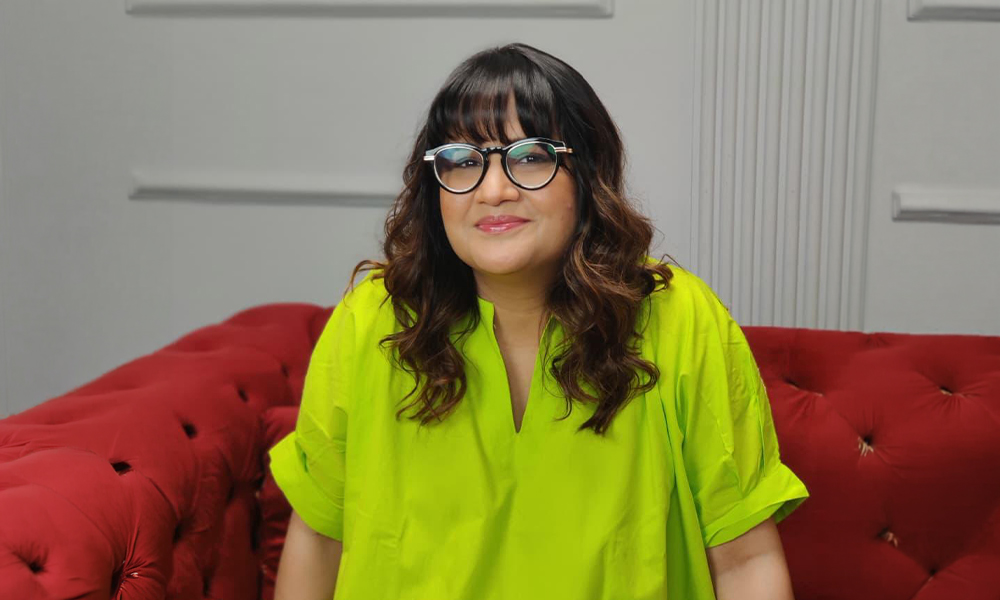
As AI-generated creatives continue to flood the internet, the advertising industry is now confronting a reality where brand communication is no longer controlled only by agencies, marketers, or brands themselves. A recent AI-generated creative mimicking Amul, which went viral across social media before the brand clarified it was not authentic, became one of the clearest examples of how blurred these boundaries have become.
For Anuya Jakatdar, Co-Founder and Chief Creative Officer at Bare Bones Collective, this is not an isolated moment. It is the beginning of a larger industry-wide shift. “We’ve all signed a deal with the devil now, when we’ve let AI into our lives,” she says.
Comparing the current AI boom to the early days of the internet, Anuya believes the industry is currently in a chaotic phase of experimentation, where the possibilities are exciting, but the consequences are still unfolding.
“It’s like when the internet first came. There was a big hoopla about how it’s going to change everything. Which it did. And then everybody realised all the pitfalls and then there were laws and policies that people had to eventually figure out to reign it all in. That’s what’s happening with AI now.”
According to her, AI is currently expanding faster than the industry’s ability to regulate or fully understand it. “It is exploding and we are in that time where we don’t know what it will do and people are figuring out what it can do. And it is making everybody crazy. Ergo, there are going to be good actors and bad actors.”
Despite the growing concerns around misinformation, replication, and misattributed content, Anuya is clear that AI itself is not harming creativity. “AI doesn’t hamper creativity. I don’t believe that at all. Ultimately, it’s a tool and it’s available very cheaply to everyone.”
The Amul case, according to her, exposed exactly how quickly public perception can attach legitimacy to something a brand never created. But she also points out that brands themselves are actively participating in this AI-led transformation.
“Brands are also benefiting from the fact that they don’t have to be creative and hire a design agency. They are creating films using AI. Brands are benefiting from this also.”
Which, in her view, complicates how brands respond when AI-generated content spirals out of control. “So now they can’t complain that someone made it.”
Instead, Anuya believes the conversation now has to move towards ownership, accountability, and long-term protection mechanisms. “Brands will have to start doing the same,” she says, referring to the growing efforts around protecting likeness, intellectual property, and digital identity.
As AI-generated communication becomes easier, cheaper, and nearly impossible to fully contain, she believes legal and regulatory safeguards will eventually become unavoidable. “There will have to be safeguards that allow brands to seek damages in case something happens that does damage their reputation.”
Until then, the industry is operating inside a space where the rules are still being written. “It’s out there. It’s cheap. It’s easy. It’s going to create issues that we never anticipated and we’ll have to figure out how to fight them.”
For Anuya, the conversation around AI is no longer about whether the technology should exist. The shift has already happened. The real challenge now lies in understanding how creativity, ownership, and accountability evolve alongside it.